Concerns about glycerin in toothpaste affecting the natural remineralization process and oral health lack scientific support. It's crucial for tooth enamel, serving essential roles without hindering enamel health.
Does This Common Ingredient Hinder Tooth Remineralization?
You brush your teeth twice a day with that familiar minty paste. Glycerin sits in most toothpastes, mouthwashes, and gels you grab off the shelf. It keeps things moist and smooth. But here's the twist: some folks worry it might block your teeth from rebuilding strong enamel. Does glycerin really mess with tooth remineralization? Let's unpack the facts and myths to see if this everyday helper harms your smile.
Understanding Tooth Remineralization
Tooth remineralization sounds fancy. It just means your enamel gets fixed naturally. Enamel is the hard outer layer of your teeth, made mostly of hydroxyapatite crystals.
The Chemistry of Demineralization and Remineralization
Demineralization kicks in when acids from food or bacteria strip minerals from enamel. Think of it like rain wearing down a rock. Saliva steps in to fight back. It floods the area with calcium and phosphate ions. These rebuild the crystals in remineralization.
Fluoride helps too. It teams up with those minerals to form tougher stuff. Picture fluoride as a shield that makes the repair stronger. Without balance, your teeth weaken over time. Daily habits tip the scale one way or the other.
Key Factors Influencing Successful Remineralization
Calcium and phosphate ions are must-haves. Your saliva supplies them, but diet plays a role. Fluoride availability boosts the process. It binds to enamel for better mineral uptake.
pH levels matter a lot. A neutral mouth around 7 lets repair happen. Acidic spots below 5.5 cause more loss. Time counts too. Overnight, saliva works best when you're not snacking. These basics show why anything touching your teeth needs a close look.
Glycerin's Function in Oral Hygiene Formulations
Glycerin pops up in many dental products. It's a clear, thick liquid from plant or animal sources.
Glycerin as a Humectant: Preserving Product Texture and Shelf Life
Glycerin pulls in water. This stops toothpaste from drying out in the tube. It keeps the paste soft and easy to squeeze. Without it, your brush would feel gritty.
Vendors pick glycerin because it's cheap and safe. It beats out sorbitol in some mixes for better feel. Shelf life stretches months longer. Your tube lasts without hardening. This simple job makes brushing pleasant every day.
Glycerin's Influence on Ingredient Solubility and Delivery
Glycerin mixes well with other parts of toothpaste. It helps suspend abrasives and flavours. For remineralization agents like calcium phosphate, it aids even spread.
But does it change how these reach your teeth? In thick form, it might slow release. Studies check if it blocks ions from soaking in.
Glycerin and Its Potential Impact on Remineralization
People debate glycerin's role in tooth health. Myths say it coats teeth like a film. Science tells a different story. Let's look at the proof.
In Vitro Studies: Direct Interaction with Hydroxyapatite
Lab tests use fake enamel to test effects. One study soaked hydroxyapatite in glycerin solutions up to 50%. At low levels like 20%, no big block happened. Ions still exchanged freely.
Higher doses slowed things a bit. Researchers found glycerin does stick long after rinsing.
Addressing the "Plaque Trapping" Hypothesis
Viscous glycerin might trap plaque. This idea says it glues bacteria to teeth. Acids then linger longer. Is it true?
Choosing Toothpastes with Optimized Formulations
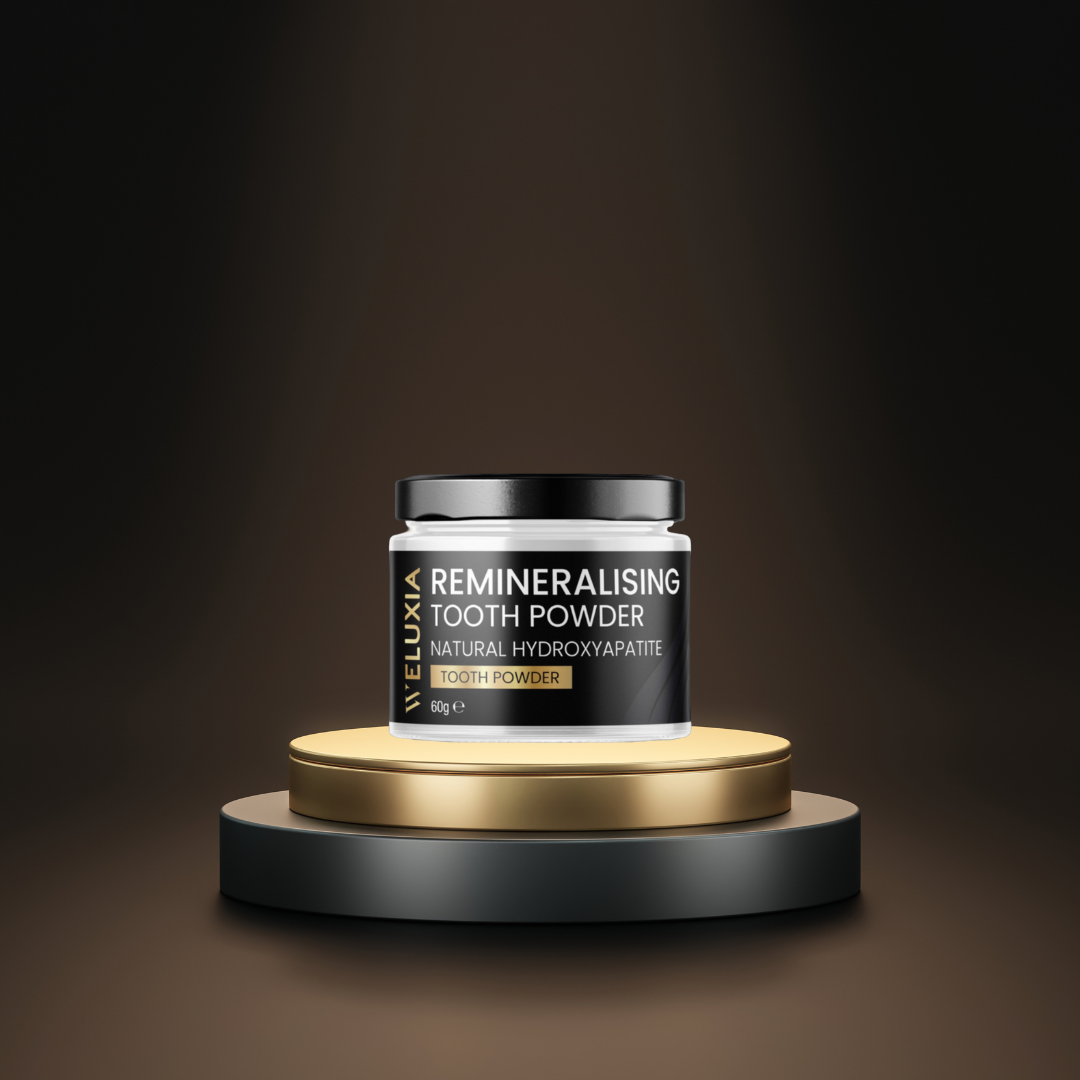
Pick ones with non nano-hydroxyapatite.
Try low- or no glycerin brands like some organic lines.
- Scan ingredient lists: Aim under 20% glycerin if concerned.
- Test sensitivity: Switch if your teeth feel off.
- Consult your dentist: They know your needs best.
Optimizing Natural Salivary Remineralization
Rinse after meals to boost saliva flow.
Use fluoride free rinses separate from paste. This skips glycerin altogether. Drink water often to keep pH steady.
- Avoid snacks between meals: Gives repair time.
- Stay hydrated: Saliva needs water to work.
- Night brush without rinse: Lets fluoride linger.
These steps counter any minor effects. Your enamel thanks you.
Balancing Texture and Tooth Health
Fluoride still shines through. Plaque traps? Not a big deal with good habits. For most, standard toothpastes protect well. Benefits like cavity fight outweigh tiny risks.
If you fret over glycerin, go glycerin-free. Options with alternatives exist. Talk to your dentist for picks. Keep brushing smart. Your smile stays bright and strong. What toothpaste do you use now? Switch if it fits your routine.