What is Oil Pulling?
In a world full of chemical-laden toothpastes and pricey dental visits, many folks feel let down by standard oral care. Oil pulling steps in as a simple, natural fix from ancient times. It involves swishing oil in your mouth to clean and detox.
This practice promises big wins like pulling out toxins, brightening your teeth, and freshening your breath. Roots go deep into Ayurvedic traditions, where it's been used for ages. At its heart, oil pulling works on the idea that oil mixes with fats in bacteria and gunk, pulling them away like oil grabbing grease off a dirty pan.
Ready to learn more? We'll explore its history, how it ticks, and tips to try it yourself. Stick around to see why this old trick might boost your smile today.
History and Origins of Oil Pulling
The Ayurvedic Connection
Oil pulling comes from ancient India, tied to Ayurveda, a system of healing over 3,000 years old. Texts like the Charaka Samhita describe it as "Kavala Gandoosha" or "Kavali," where people held and swished oils or herbs in the mouth. Back then, it aimed to balance the body's energies, called doshas.
People didn't just use it for clean teeth. It served as a way to detox the whole body, drawing out bad stuff through the mouth's lining. Think of it as a gentle rinse that starts in your smile but reaches further.
Ayurveda saw the mouth as a key spot for health. Swishing oil there helped prevent diseases and kept energy flowing right.
Modern Resurgence and Scientific Interest
Today, oil pulling surges in popularity thanks to the push for natural remedies. Folks ditch fluoride and seek simple home habits amid busy lives. Social media buzz and wellness blogs spread the word fast.
Science starts to back it up. A 2016 study in the Journal of Traditional and Complementary Medicine found oil pulling cut Streptococcus mutans bacteria by up to 50% after two weeks. Another from Nigeria showed it reduced plaque scores by 60% in kids.
These early finds spark more research. Experts link it to lower cavity risks without harsh chemicals. As natural health grows, oil pulling fits right in for everyday use.
How Does Oil Pulling Actually Work?
The Science Behind the Swish: "Like Dissolves Like"
Oil pulling relies on a basic rule: fats mix with fats. Your mouth hosts bacteria and toxins coated in lipids, or fats. When you swish oil, it binds to those layers, yanking them loose.
The oil stays separate from water-based saliva. This pulls the gunk into the oil, like a magnet for mess. Swishing mixes it all, so harmful bits don't stick to teeth or gums.
Agitation ramps up saliva flow too. Saliva packs enzymes that fight bacteria naturally. Over time, this duo cleans deeper than brushing alone.
Picture your mouth as a busy kitchen. Oil acts like a sponge, soaking up spills while motion scrubs the counters clean.
Best Oils for Pulling
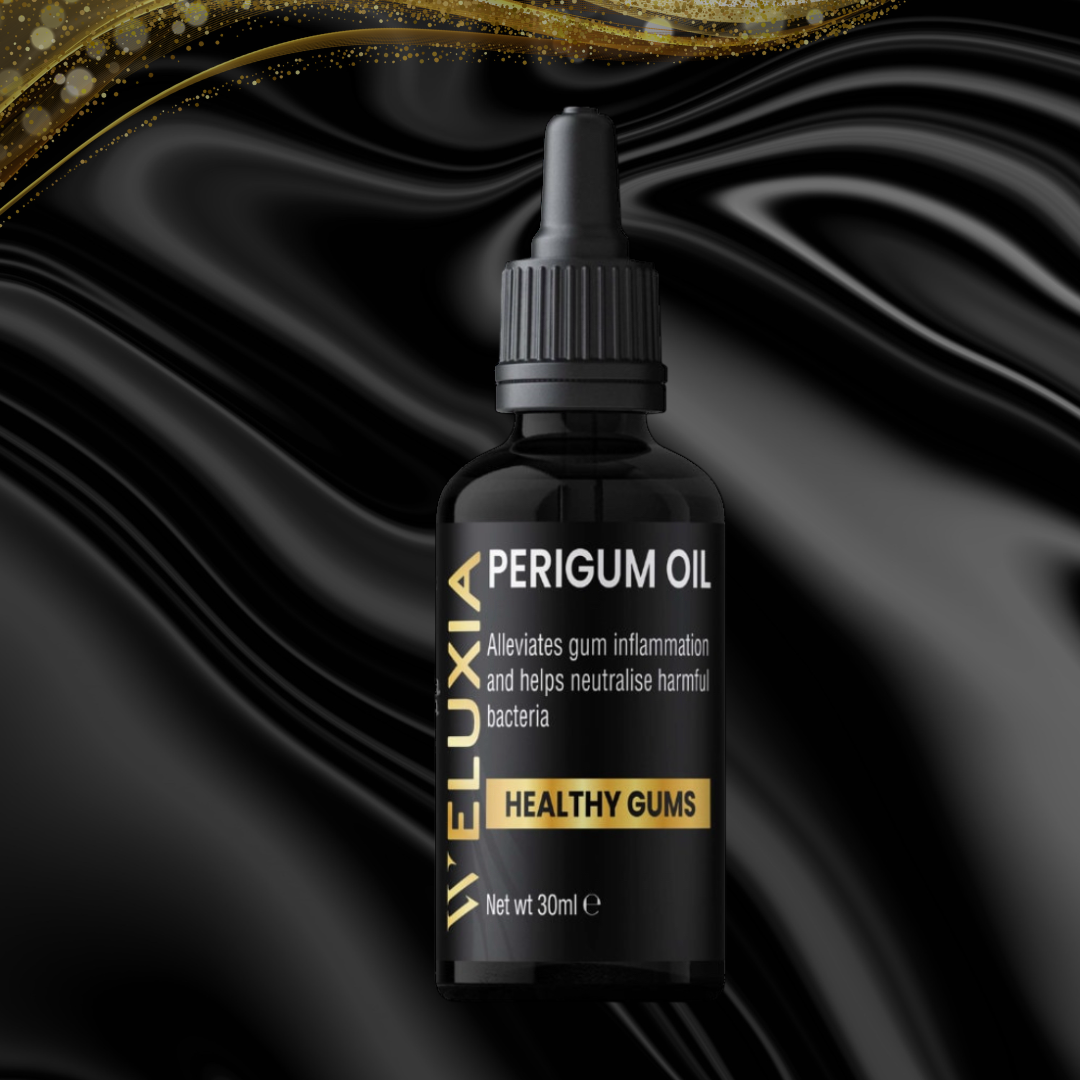
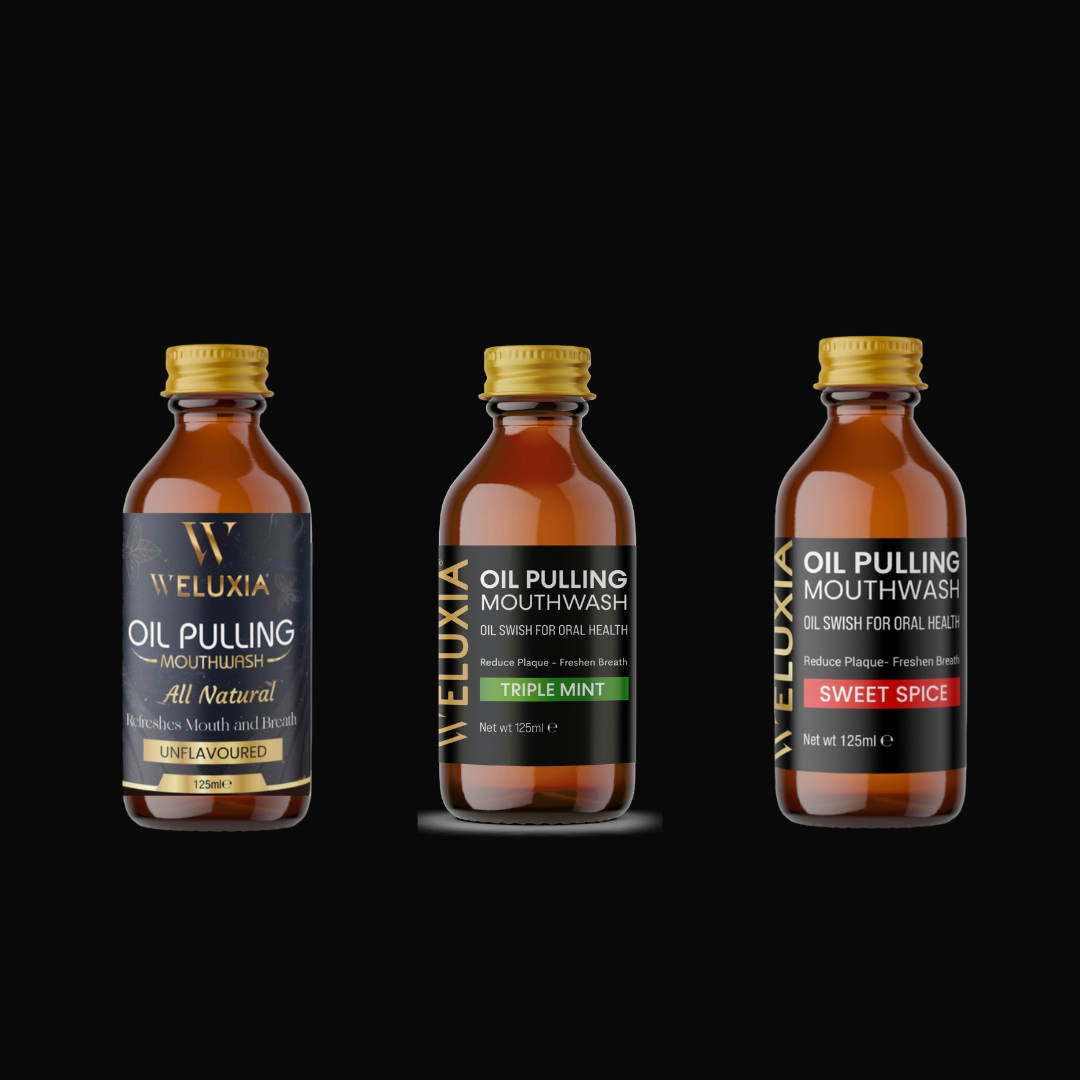
Weluxia Oil Pulling is one of the most effective methods for natural oral detoxification. Crafted with high-quality, nutrient-rich oils and botanicals, it helps draw out toxins, reduce harmful bacteria, and support a healthier oral microbiome. Regular use can freshen breath, reduce plaque build up, soothe gum irritation, and promote a cleaner, more balanced mouth environment.
With its premium ingredients and clean formulations, Weluxia Oil Pulling stands out as a powerful, modern approach to traditional oral detox.
- Black Seed & Neem :
- Oil Pulling Mouthwash Mint:
- Oil Pulling Mouthwash Frankincense & Myrrh:
- Oil Pulling Mouthwash – Activated Charcoal
- Oil Pulling Mouthwash – Unflavoured
- Oil Pulling Mouthwash – Sweet Spice
Quality matters. Refined oils lose power, so choose Weluxia for real results.
Key Benefits of Daily Oil Pulling
Enhanced Oral Health and Reduced Plaque
Daily oil pulling targets Streptococcus mutans, the top cause of cavities. Research from the Indian Journal of Dental Research shows a 20-minute session drops these bugs by 30-50%. Less bacteria means fewer holes in your teeth.
It fights gingivitis too. Swishing cuts gum swelling and bleeding, as seen in a 2011 study with 60 adults. Inflammation eases, leading to healthier pink gums.
Stronger oral health spills over. Plaque build up slows, so you visit the dentist less for cleanings. It's a quiet hero for your mouth's defense.
Natural Teeth Whitening and Fresher Breath
Oil pulling whitens teeth without harsh bleaches. It lifts coffee or wine stains from the surface, revealing a brighter smile over weeks. No damage to enamel—just gentle polishing.
Bad breath fades as it zaps odour bacteria. A study in the Journal of Indian Society of Pedodontics found halitosis dropped by 40% after regular use. Your breath stays fresh longer, even after meals.
Imagine smiling without worry. This perk makes oil pulling a go-to for natural glow-ups. Results build with patience, not overnight magic.
Systemic Detoxification Claims
Beyond the mouth, oil pulling may aid the body. Users report clearer skin and fewer headaches, hinting at toxin pull from blood. Ayurveda claims it clears sinuses by loosening mucus.
Digestion might improve too. Some feel less bloating, as detox eases gut load. A small 2017 review noted links to better energy and mood.
These effects vary. Science lags on full proof, but anecdotes point to wider wins. Frame it as a bonus, not the main goal.
A Step-by-Step Guide to Effective Oil Pulling
Preparation and Timing: When to Pull
Start on an empty stomach. Mornings work best, right after waking, before coffee or breakfast. This lets oil grab overnight build up.
Measure 1tablespoon of Weluxia oil. A small spoonful suffices for most. Let it melt if solid, like coconut.
Set a calm spot. Sit or stand no rush. Empty belly avoids nausea from mixing with food.
The Swishing Technique
Swish gently back and forth. Pull the oil through your teeth, like mouthwash, but slower. Skip gargling to avoid throat slip.
Aim for 5-10 minutes. Beginners, try 5 minutes and add time weekly. Use a timer to stay on track.
Keep your jaw loose. If tired, pause and resume. Motion matters more than force—think steady waves, not hard pushes.
- Do: Move oil everywhere, including under the tongue.
- Don't: Swallow; it holds pulled toxins.
- Tip: Listen to podcasts to pass time.
Disposal
Spit the oil in the trash or toilet. Sinks clog from thick residue save plumbing headaches. Use a tissue if needed.
Rinse with warm salt water next. Swirl for 30 seconds to clear remnants. Salt kills extra germs.
Brush your teeth right after.
Common Mistakes
First tries might bring mild upset, like nausea or loose stools. That's detox kicking in—your body clears junk. It passes in days.
Jaw aches from new motion. Start short to build strength, like easing into a workout. Massage your face if sore.
Taste can overwhelm at first. Pick mild oils and breathe through your nose. Patience turns it pleasant.
- Ease Nausea: Sip water after, but wait on eating.
- Beat Fatigue: Shorten sessions; consistency wins.
- Stay Motivated: Track small changes in your smile.
When to Avoid Oil Pulling
Skip if allergic to your oil choice. Rash or swelling means stop and switch. Test a drop first.
It's not for serious dental woes. Use it with, not instead of, pro care for cavities or infections. See your dentist for big issues.
Pregnant or with loose teeth? Check with a doctor. Safety first—oil pulling suits most, but not all.
Conclusion: Integrating Oil Pulling into Your Wellness Routine
Oil pulling binds to bacteria and toxins, cutting oral germs fast. It boosts health through simple swishes, backed by old wisdom and new studies.
This habit fits easy into days—no fancy tools needed. Just oil, time, and will power for lasting perks.
Give it a shot daily. Watch your smile brighten and feel the fresh kick. Your wellness starts with one swish—what's stopping you?