Understanding Enamel Demineralisation
By Sarah Mitchell, Functional Medicine Practitioner
Weluxia Formulator | 15+ Years in Natural Oral Care
Your teeth are under constant attack. Every day, essential minerals are being stripped from your tooth enamel through a process called demineralisation. This isn't just a dental concern it's a health issue affecting 70% of adults, leading to cavities, sensitivity, and long-term dental problems. Understanding enamel demineralisation is the first step toward protecting your smile.
What is Enamel Demineralisation?
Enamel demineralisation occurs when acids dissolve the mineral content of your tooth enamel, weakening its protective structure. Your tooth enamel is composed primarily of minerals mainly calcium and phosphate which give it strength and durability. When these minerals are lost faster than they can be replaced, your enamel becomes progressively weaker.
This process creates a cascade of dental problems: suffer from enamel demineralisation means your teeth are losing essential minerals daily, leaving them vulnerable to decay and damage.
The Three Major Consequences of Enamel Loss
1. At Risk of Cavities from Weak Enamel
When your enamel becomes demineralised, you are at risk of cavities from weak enamel. The equation is simple: no protection equals rapid decay. Healthy enamel acts as an impenetrable barrier against bacteria and acids. Once that barrier is compromised through mineral loss, bacteria can easily penetrate the tooth structure, leading to cavities that form much faster than they would on healthy teeth.
Studies show that individuals with demineralised enamel are up to 90% more likely to develop cavities compared to those with strong, mineralised enamel. The weakened structure simply cannot defend against the constant bacterial assault in your mouth.
2. Tooth Sensitivity That Disrupts Daily Life
One of the most immediate and distressing symptoms of enamel demineralisation is tooth sensitivity. As you experience sensitivity caused by enamel loss, everyday activities become painful challenges. When eating and drinking becomes painful, it affects your quality of life in profound ways.
The mechanism is straightforward: enamel loss exposes the underlying dentin layer, which contains microscopic tubules leading directly to the tooth's nerve. Hot coffee, cold water, sweet treats, or even cold air can trigger sharp, shooting pains as stimuli reach the nerve through these exposed pathways. What should be simple pleasures enjoying an ice cream or sipping hot tea become sources of discomfort.
3. Progressive Tooth Damage
Enamel demineralisation doesn't stop at sensitivity and cavities. Without intervention, the damage progresses, potentially leading to tooth fractures, severe decay requiring root canals, and even tooth loss. The structural integrity of demineralised teeth is compromised, making them susceptible to chips and cracks from normal chewing forces.

What Causes Enamel Demineralisation?
Dietary Acids: Frequent consumption of acidic foods and beverages citrus fruits, soft drinks, wine, sports drinks bathes our teeth in acid that dissolves minerals. Even healthy choices like kombucha and apple cider vinegar can contribute to demineralisation when consumed frequently.
Bacterial Acid Production: Harmful bacteria in your mouth feed on sugars and starches, producing acids as a byproduct. This bacterial acid is a primary driver of enamel demineralisation, particularly in the hours following meals.
Dry Mouth: Saliva is your mouth's natural defense system, rich in minerals that help remineralise enamel. Conditions that reduce saliva production medications, certain health conditions, mouth breathing leave your teeth vulnerable to demineralisation.
Acid Reflux: Gastroesophageal reflux disease (GERD) exposes teeth to stomach acid, which is far more corrosive than dietary acids. This can cause rapid and severe enamel demineralisation.
Aggressive Brushing: While good oral hygiene is essential, brushing too hard or immediately after consuming acidic foods can accelerate enamel wear when the enamel is temporarily softened by acid exposure.
Warning Signs Your Enamel is Demineralising
Early detection is crucial. Watch for these indicators:
• White spots on teeth (early demineralisation)
• Increased sensitivity to temperature or sweetness
• Yellowing teeth (as enamel thins, the darker dentin shows through)
• Transparent or shiny spots on tooth edges
• Small dents or cups on the chewing surface
• Rough or uneven tooth texture
Protecting and Remineralising Your Enamel
The good news: enamel demineralisation can be halted and even reversed in its early stages through remineralisation. Here's how:
Use Remineralising Products
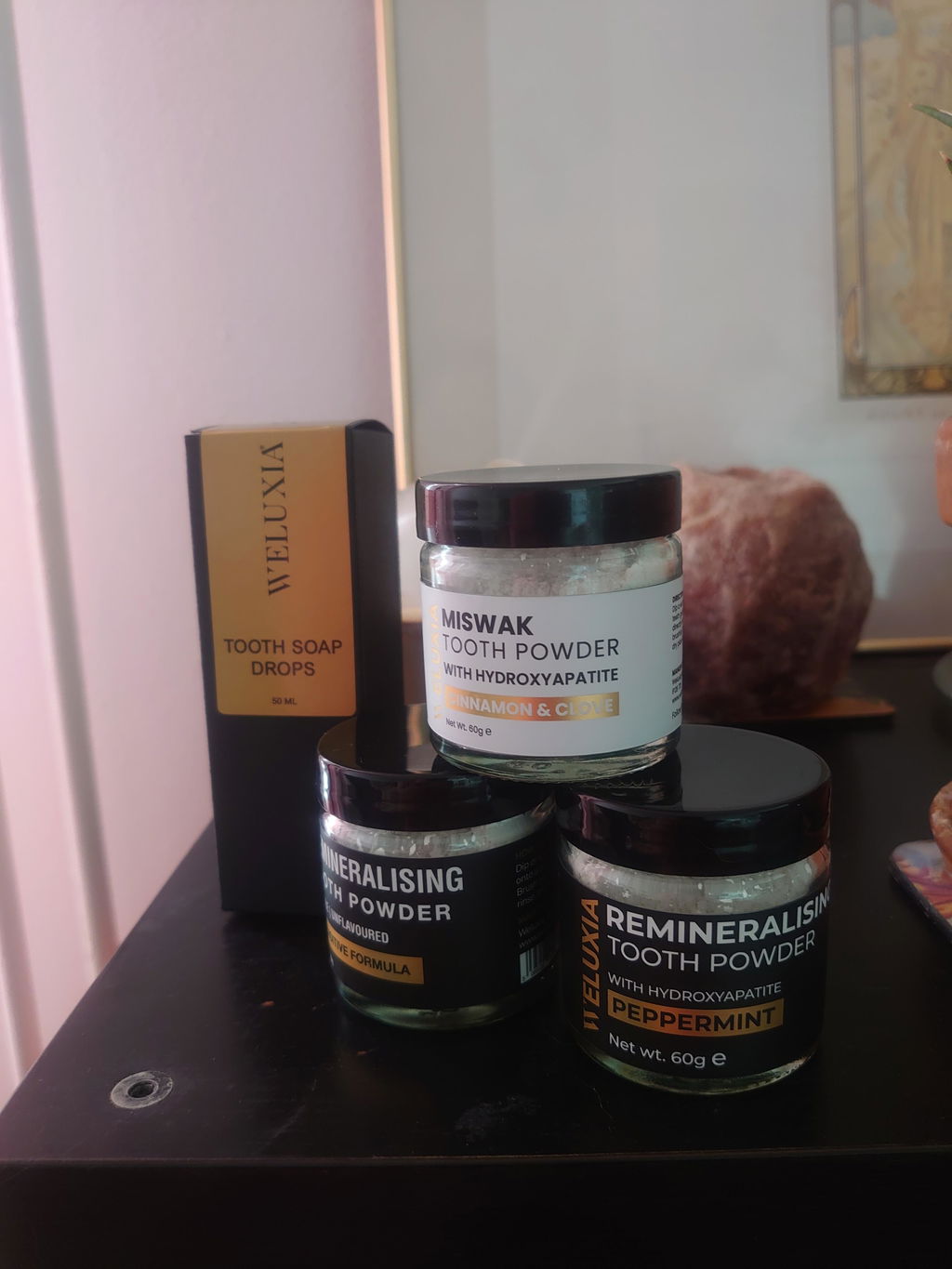
Products containing hydroxyapatite, calcium phosphate, can actively restore minerals to weakened enamel. Hydroxyapatite is particularly effective as it's bioidentical to your natural enamel mineral content, integrating seamlessly into the tooth structure.
Limit Acidic Exposures
Reduce frequency of acidic food and beverage consumption. When you do consume them, use a straw to minimize contact with teeth, rinse with water afterwards, and wait at least 30 minutes before brushing to allow enamel to reharden.
Maintain Optimal Oral pH
Your saliva naturally works to neutralize acids and provide minerals for remineralisation. Support this process by staying hydrated, chewing sugar-free gum to stimulate saliva production, and considering pH-balancing mouthwashes.
Address Underlying Causes
If dry mouth, acid reflux, or other medical conditions contribute to your enamel demineralisation, work with healthcare providers to manage these issues. Treating the root cause is essential for long-term enamel health.
Adopt Gentle Oral Hygiene Practices
Use a soft-bristled toothbrush and gentle, circular motions. Brush twice daily for two minutes, but avoid aggressive scrubbing that can physically wear away enamel.
The Critical Window for Action
Enamel demineralisation is largely reversible in its early stages. White spot lesions the first visible sign can be completely remineralised with appropriate interventions. However, once cavitation (actual holes in the enamel) occurs, professional dental treatment becomes necessary.
This creates a critical window: the time between initial demineralisation and irreversible damage. During this period, consistent use of remineralising products, dietary modifications, and proper oral care can restore your enamel to health. Miss this window, and you're facing fillings, crowns, or more extensive dental work.
Why Professional Guidance Matters
While many demineralisation prevention strategies can be implemented at home, professional dental assessment is invaluable. Dentists can:
• Detect early demineralisation before it becomes visible to you
• Apply professional-strength fluoride or other remineralising treatments
• Identify and address contributing factors like improper bite alignment
• Customize treatment plans based on your specific risk factors
• Monitor progress and adjust strategies as needed
Taking Control of Your Enamel Health
Enamel demineralisation is a pervasive problem, but it's not inevitable. Understanding that you suffer from enamel demineralisation that your teeth are losing essential minerals daily is the first step toward protection. Recognising that weak enamel leaves you at risk of cavities and that you may experience sensitivity caused by enamel loss empowers you to take action before these problems worsen.
The path forward is clear: adopt remineralising oral care products, modify dietary habits that contribute to acid exposure, address underlying health conditions, and maintain regular dental check ups. Your enamel has remarkable capacity to heal when given the right support.
Don't wait until sensitivity makes eating and drinking painful, or until cavities require invasive treatment. Start protecting your enamel today. Your teeth and your overall health will thank you for decades to come.
Note: This article provides educational information about enamel demineralisation. For personalized dental advice and treatment, consult with a qualified dental professional.